Permits and administrative coordination
Planning an abnormal-load permit in Spain
Permit work translates the actual loaded combination and proposed corridor into enforceable movement conditions. It should therefore be managed as part of engineering and operations planning.
Published 2026-09-01Reviewed 2026-09-01
Start with the complete loaded combination
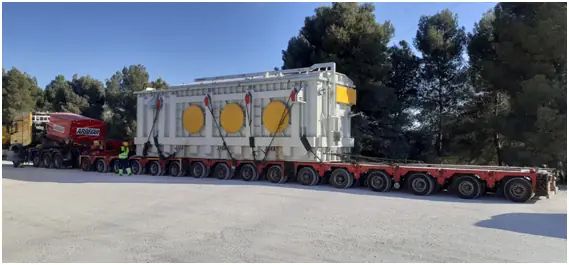
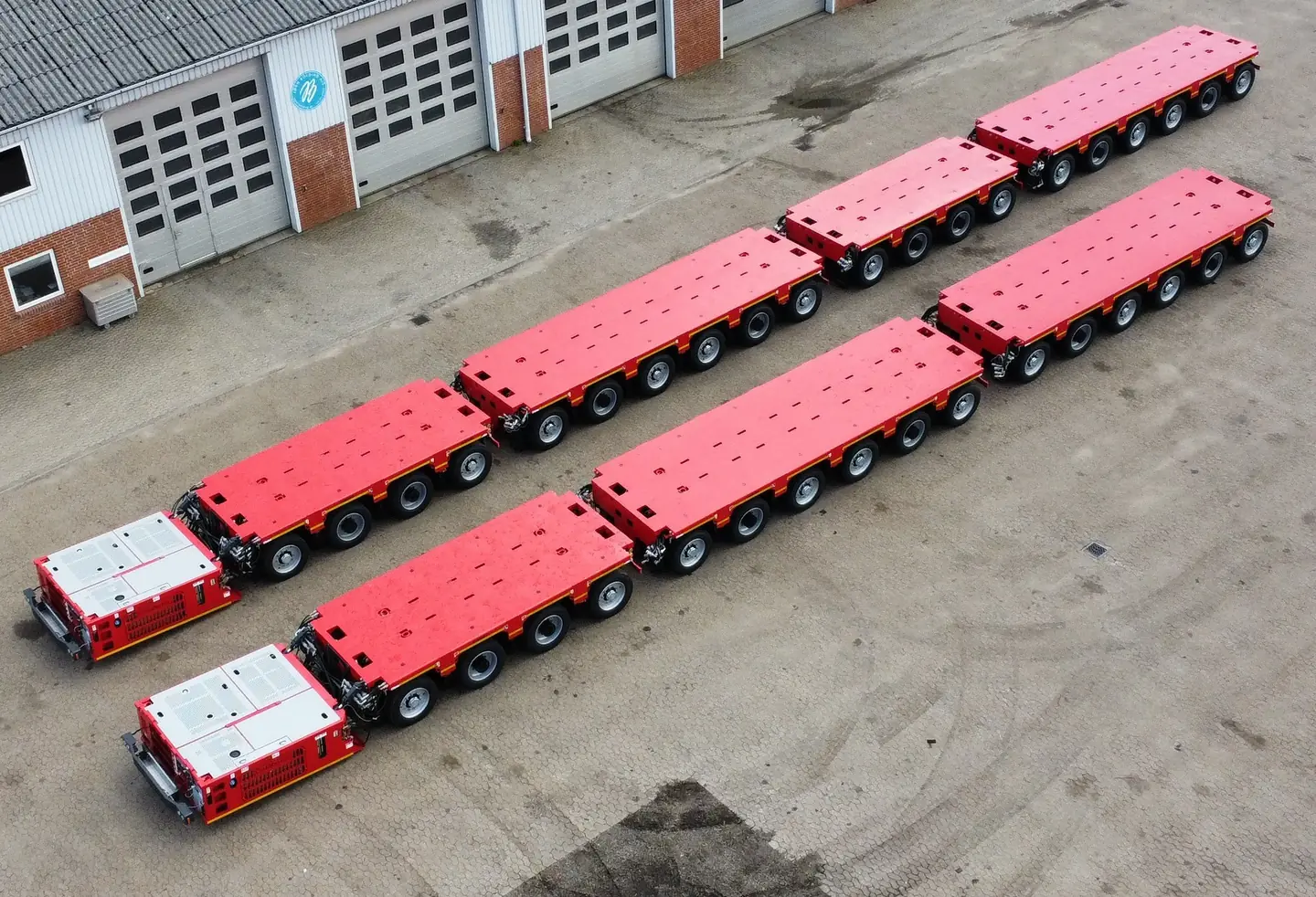
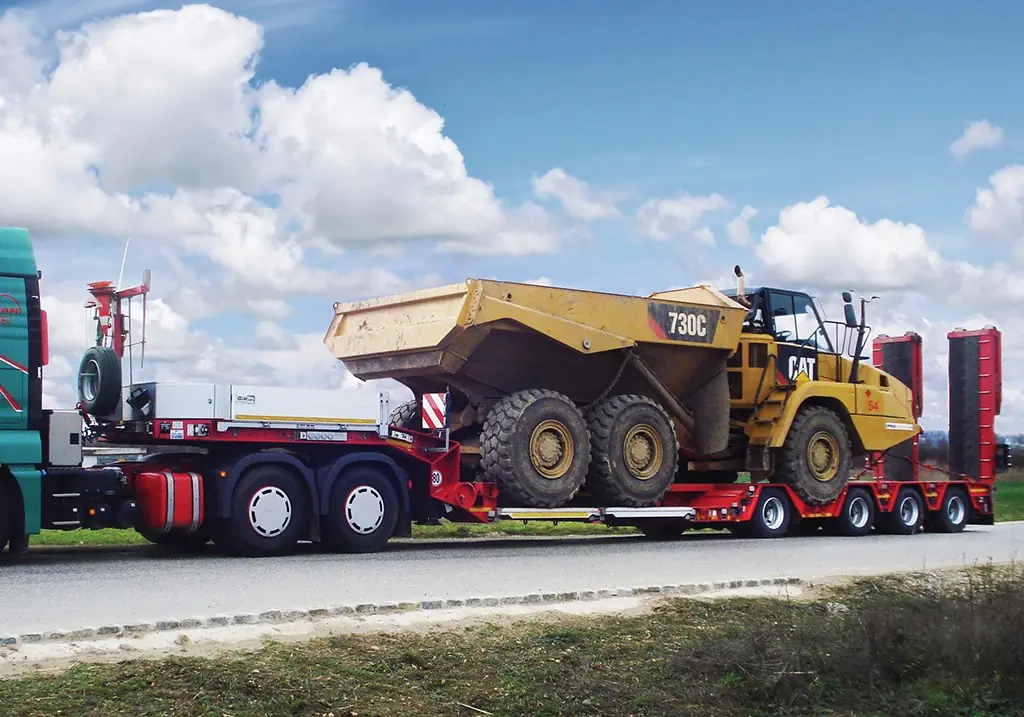
Assessment begins with the tractor, trailer, load position and axle arrangement as they will travel. Cargo dimensions alone cannot establish the applicable route or permit strategy.
Overall length, width, height, mass, axle distribution and overhangs all affect the information submitted.
Establish which authority is responsible
Responsibility follows the road network. DGT guidance identifies territories with their own traffic authority, while movements on municipal streets may also need local authorisation.
A cross-country route can involve several competent bodies, so each network section should be identified before the programme is fixed.
Build a consistent technical file
Vehicle registrations, loaded dimensions, gross mass, axle loads and configuration drawings must describe one coherent transport solution.
Any change of vehicle, trailer arrangement or load position should trigger a document and route review before movement.
Turn origin and destination into a route
A usable route identifies access roads, junctions, roundabouts, structures, height constraints, temporary restrictions and locations requiring special manoeuvres.
Early route screening prevents an unsuitable corridor from driving crane bookings, production slots or site dates.
Read the issued operating conditions
The permit may specify route, validity, time windows, warning equipment, escort vehicles or other measures. Only the conditions in the issued document govern that movement.
Operations teams need a controlled copy and a briefing that converts those requirements into actions and responsibilities.
Avoid preventable application delays
Incomplete data, mismatched registrations, vague route descriptions and unchecked last-mile access are frequent causes of rework.
Another avoidable risk is committing lifting or delivery resources before permit timing and site availability are aligned.
A practical preparation sequence
Define the preliminary combination, screen the corridor, assemble consistent documents and submit to the competent bodies. Once issued, review every condition and hold a final readiness check before departure.
- Verified loaded dimensions and mass
- Identified vehicles and axle layout
- Road-network ownership mapped
- Conditions briefed to the operating team
Final technical checklist
- Confirm the transport configuration
- Match registrations to the technical file
- Identify the authority for every route section
- Check validity, time windows and approved corridor
- Coordinate loading, movement and site reception
Frequently asked questions
Does one permit cover any route?
No. The authorised route, vehicles, validity and operating conditions must be followed.
Can route work begin before final vehicle allocation?
A preliminary screen can begin, but the application and movement need a consistent final configuration.
Who deals with municipal roads?
Local authority approval may apply. The responsibility for every section must be checked.
Is a permit the same as a route survey?
No. A permit sets administrative conditions; a route survey examines physical and operational feasibility.